
infrared, traditional, onsen or steam — a plain guide to sweating in bangkok
01 Aug 2026 · sundaymood
infrared, traditional, onsen or steam — a plain guide to sweating in bangkok
Onsen, steam room, traditional sauna, infrared suite, cold plunge - they get talked about as if they are interchangeable. They are not. What each one actually is, and where the others are the better choice.
Bangkok has quietly become a good city to sweat on purpose in. There are onsen bathhouses, hotel steam rooms, traditional Finnish-style saunas, communal ice bath clubs, and private infrared suites - ours among them.
They get talked about as if they're interchangeable. They aren't. Here's what each one actually is, and - since we obviously have a preference - where the others are the better choice.
traditional sauna
What it is: a wood-lined room heated to 80-100°C by an electric or wood-fired stove, often with the option to throw water on hot stones for a burst of steam. Finnish in origin, social by design.
What it feels like: intense and immediate. The air itself is hot, so the heat arrives at your skin and stays there. Some people love that; some find it hard to breathe.
Best for: anyone who wants the classic thing. If you grew up with saunas or you want that specific full-blast sensation, nothing else replicates it.
infrared sauna
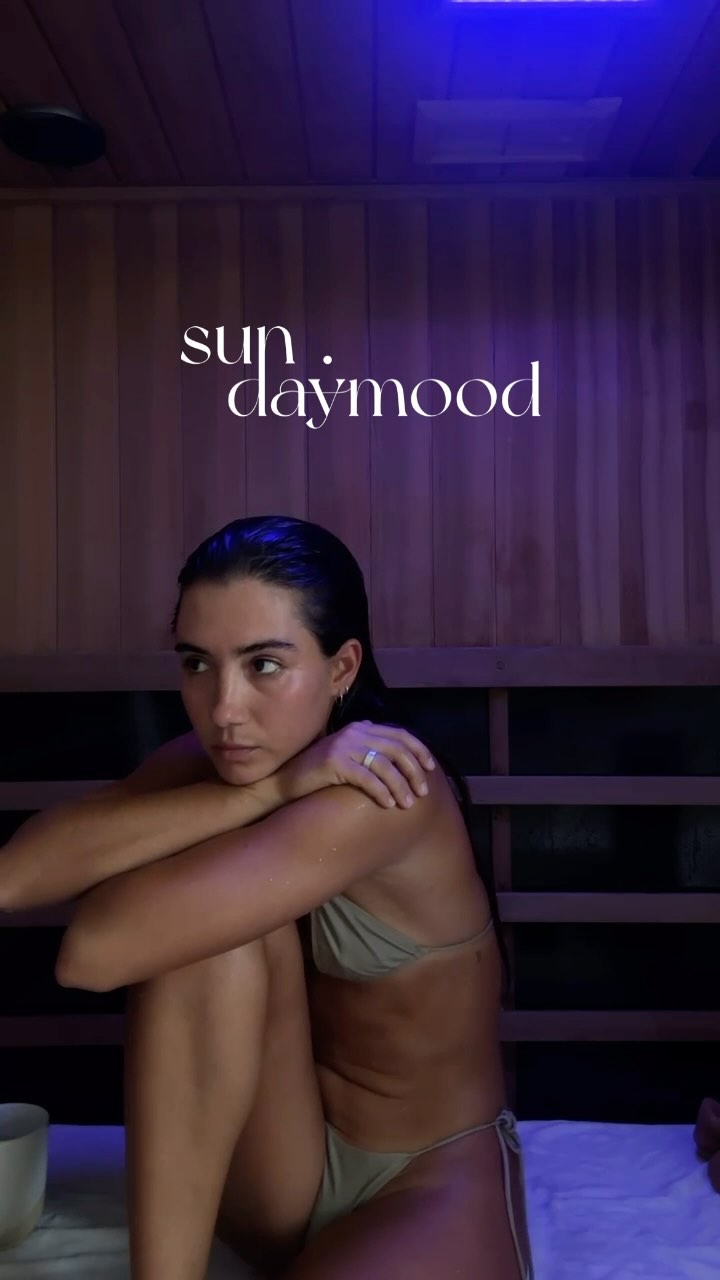
What it is: a cabin with panels emitting infrared wavelengths that warm your body directly rather than heating the air around you. Runs much cooler - ours sit at 75-80°C - while still producing a proper sweat. Full-spectrum units emit near, mid and far infrared.
What it feels like: like strong afternoon sun rather than an oven. The air stays dry and breathable. It takes a few minutes longer to get going, and then you sweat steadily rather than suddenly.
Best for: longer, more comfortable sessions; anyone who finds traditional saunas claustrophobic; people who want to actually relax rather than endure. It's also the easier entry point if you've never done heat therapy at all.
Worth knowing: infrared and traditional saunas are not the same treatment with different thermostats. The heat reaches you by a different mechanism, which is why the temperature numbers aren't comparable.
steam room
What it is: near-100% humidity at a much lower temperature, usually 40-50°C.
What it feels like: heavy, wet, enveloping. Excellent on the sinuses and on skin.
Best for: congestion, dry skin, and anyone who dislikes dry heat. Less useful if what you're after is a hard sweat or a cardiovascular effect - the low temperature limits how much of that you get.
onsen and bathhouse
What it is: the Japanese-style bathing tradition - a sequence of hot mineral pools, usually communal, usually with strict etiquette around washing beforehand.
What it feels like: slow, ritualistic, sociable. An afternoon rather than an hour.
Best for: the ritual itself, and for people who enjoy the communal side. If bathing with strangers is part of the appeal, this is the category to go to - and it's the thing a private suite explicitly isn't.
cold plunge and ice bath
What it is: immersion in cold water, typically somewhere between 5°C and 15°C. Ours run at 7°C, filtered continuously.
What it feels like: genuinely difficult for about fifteen seconds, then much more manageable, then quietly euphoric for an hour afterwards.
Best for: post-training recovery, mood, and the specific mental practice of choosing to do something uncomfortable and staying calm inside it. Best combined with heat rather than done alone - the contrast is where most of the interesting physiology lives.
so which should you choose
Honestly:
- You want the ritual and the company → an onsen or bathhouse.
- You want the hardest, most traditional heat → a Finnish-style sauna.
- Your sinuses are blocked → a steam room.
- You want recovery from training, or you want to sweat properly without an ordeal, or you want an hour where nobody can find you → a private infrared suite with a plunge. This is our category, and it's what we built.
The honest summary of the difference: most sweating in Bangkok is something you do near other people. What we do is the same physiology behind a door that's shut.
what a private suite means in practice
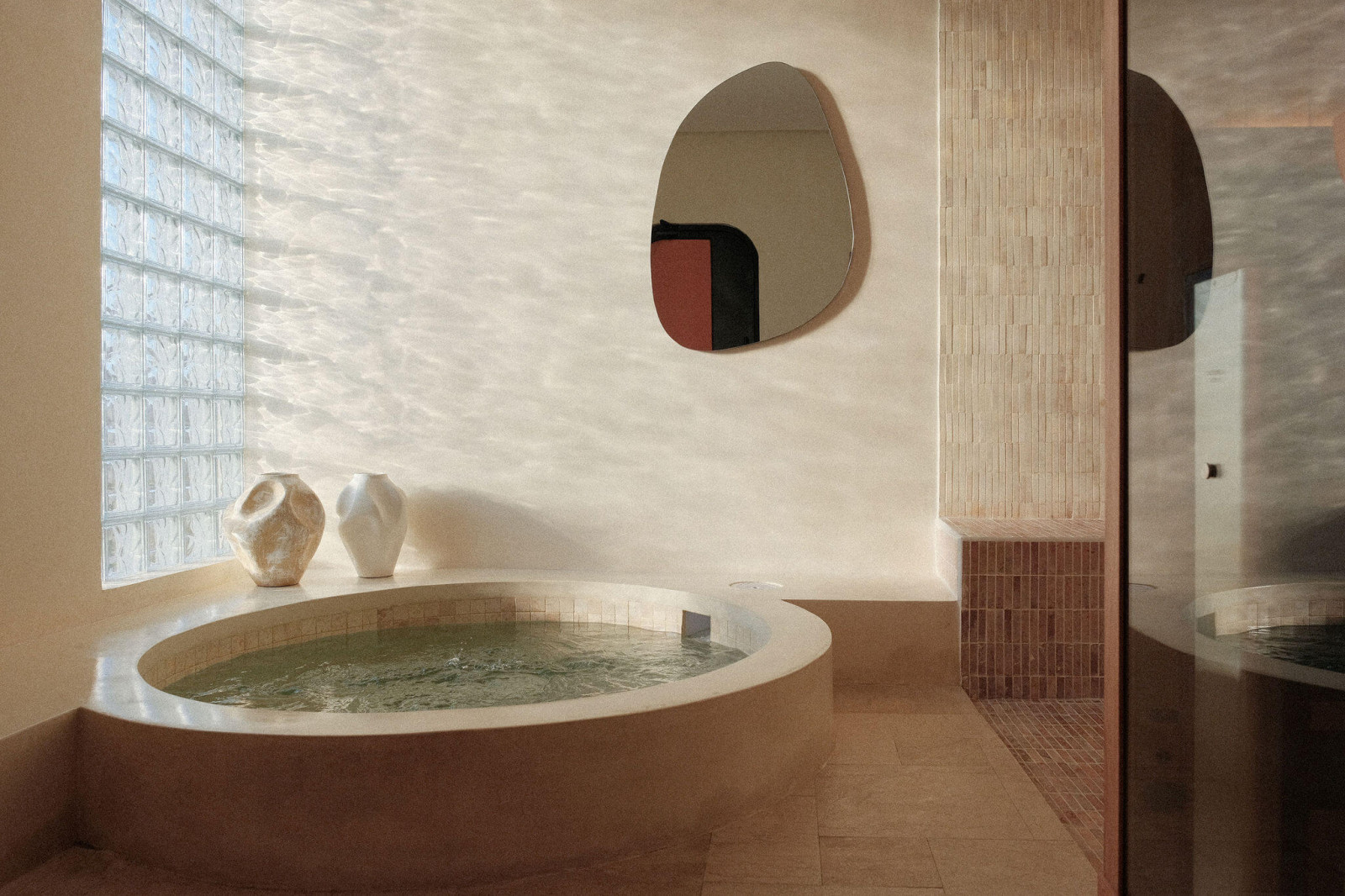
The word "private" gets used loosely, so to be specific - at sundaymood you get your own room containing the infrared sauna, the 7°C cold plunge, a hot rain shower and a changing area, for the full 60 or 90 minutes. Nobody else is in it. There's no communal changing room to cross in a towel, no waiting for the plunge, no adjusting your session around anyone else's.
You can bring one or two people if you'd rather not be alone - THB 400 each - and plenty of people book as a pair.
Sessions are THB 1,200 for 60 minutes and THB 1,800 for 90, with packages bringing that down substantially if it becomes a habit. We're on Sukhumvit Soi 24, inside the Sterling Sports & Wellness Centre.
questions people ask
Is infrared better than a traditional sauna?
Why is your sauna only 75-80°C when others are 90°C+?
Do I have to do the cold plunge?
Is a sauna or a steam room better for skin?
Can I use a sauna every day?
curious rather than convinced? that's the right way round. book a single session and find out.